

September 28, 2026
Curbed Danger: How Illegally Parked Commercial Vehicles Threaten Pedestrians, Cyclists, and Drivers Alike
April 29, 2026
Edward Smith
Curbed Danger: How Illegally Parked Commercial Vehicles Threaten Pedestrians, Cyclists, and Drivers Alike
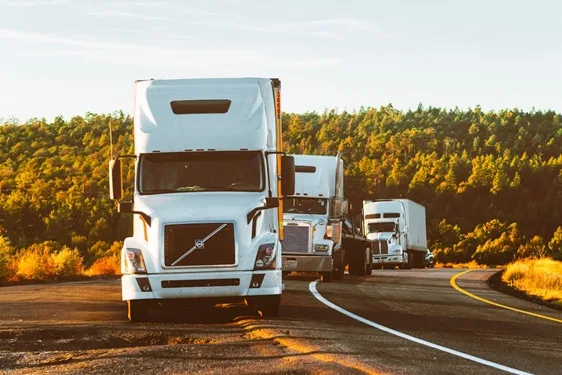
Imagine driving home after a long day. The sun has set, the roads are quiet, and you are cruising along the highway, eager to reach your destination. Suddenly, a massive, dark shape looms in your lane—a commercial semi-truck parked illegally on the shoulder, partially jutting into the roadway. With no warning lights, no reflective triangles, and mere seconds to react, you swerve.
This terrifying scenario is not just a hypothetical nightmare; it is a daily reality on roads across the country. Illegally parked commercial vehicles represent a silent, stationary hazard that threatens the lives of pedestrians, cyclists, and drivers alike. While we often focus on the dangers of speeding, distracted driving, or driving under the influence, the peril of a parked 80,000-pound behemoth is frequently overlooked until it is too late.
In this comprehensive guide, we will explore the hidden dangers of illegally parked commercial trucks, the devastating consequences of these accidents, the legal framework surrounding commercial parking, and what you can do if you or a loved one falls victim to this preventable hazard.
The Silent Hazard: Why Illegally Parked Trucks Are So Dangerous
When a passenger vehicle collides with a commercial truck, the laws of physics dictate a grim outcome. A fully loaded tractor-trailer can weigh up to 80,000 pounds, while the average passenger car weighs around 4,000 pounds. This massive weight disparity means that any collision, even at moderate speeds, can be catastrophic.
But why are parked trucks specifically so dangerous? The answer lies in a combination of visibility, location, and the unique physical characteristics of commercial vehicles.
1. The Underride Danger
One of the most fatal aspects of colliding with a parked commercial truck is the risk of an underride accident. Commercial trailers have a high ground clearance, often sitting several feet above the road surface. When a smaller passenger vehicle strikes the rear or side of a parked trailer, the car can slide underneath the truck.
In an underride crash, the safety features of the passenger car—such as crumple zones, airbags, and reinforced bumpers—are entirely bypassed. The first point of impact is often the windshield and the passenger compartment, leading to severe head trauma, decapitation, and death. While some trucks are equipped with underride guards, these safety devices can fail at high speeds or may be entirely absent on the sides of the trailer.
2. Visibility and Warning Hazards
Federal regulations require commercial truck drivers to take specific precautions when parking on the side of a road or highway. According to the Federal Motor Carrier Safety Administration (FMCSA), drivers must activate their hazard lights and place warning triangles or flares at specific distances behind the vehicle to alert oncoming traffic
.
However, these rules are frequently ignored. A truck parked illegally on a dark highway shoulder without reflective triangles or flashing lights is practically invisible until a driver is right on top of it. This lack of visibility is exacerbated by poor weather conditions, such as rain, fog, or snow, making it nearly impossible for approaching motorists to spot the hazard in time to stop or change lanes safely.
3. Lane Obstruction and Blind Spots
Illegally parked trucks often do not fit entirely on the shoulder of the road. It is common for a portion of the trailer to protrude into the active travel lane. For drivers traveling at highway speeds, encountering a sudden, stationary obstacle in their lane leaves no room for error.
Furthermore, illegally parked trucks create massive blind spots for other road users. A truck parked near an intersection, crosswalk, or highway on-ramp can completely obscure the line of sight for drivers attempting to merge or turn. Pedestrians and cyclists are particularly vulnerable in these situations, as they may step out from behind a parked truck directly into the path of oncoming traffic that cannot see them.
The Ripple Effect: Who Is at Risk?
The dangers of illegally parked commercial vehicles extend far beyond the drivers of passenger cars. Every individual who shares the road is put at risk by this negligent behavior.
Drivers and Passengers
Motorists face the most direct threat from illegally parked trucks on highways and interstates. The combination of high speeds, limited reaction time, and the sheer mass of the truck makes these collisions incredibly deadly. Even if a driver manages to swerve and avoid the truck, the sudden evasive maneuver can lead to a loss of control, resulting in a rollover or a multi-vehicle pileup.
Pedestrians
In urban and suburban environments, commercial trucks frequently park illegally in bike lanes, crosswalks, or designated “no parking” zones to make deliveries. This forces pedestrians to navigate around the massive vehicle, often stepping into active traffic lanes to cross the street. The truck also blocks the view of approaching drivers, making it impossible for them to see the pedestrian until it is too late.
Cyclists
Cyclists face a similar peril. When a delivery truck parks illegally in a designated bike lane, cyclists are forced to merge into the main traffic lane, exposing themselves to fast-moving vehicles. Additionally, the sudden opening of a truck door (known as “dooring”) or a cyclist colliding with the rear of an unlit, parked truck in the dark can result in severe injuries or fatalities.
The Root of the Problem: Why Do Truckers Park Illegally?
To address the danger, we must understand why commercial truck drivers choose to park illegally in the first place. The trucking industry is under immense pressure, and drivers face a unique set of challenges that often lead to poor decision-making.
The Truck Parking Shortage
One of the most significant issues facing the trucking industry today is a severe shortage of safe, legal parking spaces. According to the American Transportation Research Institute, there is only one parking spot for every 11 commercial trucks on the road.
Federal Hours of Service (HOS) regulations mandate that truck drivers must take mandatory rest breaks after a certain number of driving hours to prevent fatigue. When a driver’s hours are up, they must stop driving immediately. If they cannot find a legal parking spot at a rest area or truck stop, they are often forced to pull over onto the shoulder of a highway, an exit ramp, or a vacant lot.
Delivery Pressures in Urban Areas
In cities, the rise of e-commerce has led to an explosion of delivery trucks navigating narrow, congested streets. Drivers are under strict deadlines to complete their routes. Finding a legal loading zone is often time-consuming or impossible, leading drivers to double-park, block bike lanes, or park in crosswalks to make a quick delivery. While the driver may only be parked for a few minutes, that is all the time it takes for a tragic accident to occur.
Legal Accountability: Who Is Responsible?
When an accident occurs involving an illegally parked commercial truck, determining liability can be complex. It is easy to assume that the driver who struck the parked vehicle is entirely at fault for failing to avoid a stationary object. However, the law recognizes that illegally parked trucks create an unreasonable hazard.
The Truck Driver’s Negligence
Truck drivers have a legal duty to operate and park their vehicles safely. If a driver violates federal regulations by parking on a highway shoulder without deploying warning triangles, or if they park in a clearly marked “no parking” zone, they can be held liable for negligence.
The Trucking Company’s Liability
In many cases, the trucking company that employs the driver can also be held responsible under the legal doctrine of respondeat superior. If the company imposed unrealistic delivery schedules that forced the driver to park illegally, or if they failed to train the driver on proper emergency parking procedures, the company shares the blame.
Comparative Fault
In states like California, the law operates under a system of pure comparative negligence. This means that even if the driver of the passenger car was partially at fault (e.g., speeding or distracted), they can still recover damages from the negligent truck driver or trucking company. The compensation is simply reduced by the plaintiff’s percentage of fault.
If you or a loved one has been injured in a collision with a parked commercial vehicle, it is crucial to seek experienced legal representation. The aftermath of a truck accident involves complex investigations, accident reconstruction, and battling aggressive insurance companies. For expert guidance and a free consultation, visit the Sacramento Truck Accident Lawyers at AutoAccident.com. Their team has decades of experience holding negligent trucking companies accountable and securing the compensation victims deserve.
How to Protect Yourself on the Road
While we cannot control the actions of negligent truck drivers, there are steps we can take to protect ourselves and our families from the dangers of illegally parked commercial vehicles.
- Stay Alert and Scan Ahead: Always keep your eyes moving and scan the road far ahead of your vehicle. Look for the faint outline of a trailer or the reflection of your headlights on a truck’s bumper.
- Avoid the Right Lane at Night: When driving on the highway at night, try to stay in the center or left lanes if possible. The right lane is closest to the shoulder, where illegally parked trucks are most likely to be located.
- Never Assume a Truck is Moving: If you see a commercial truck ahead of you on the shoulder or an exit ramp, never assume it is moving or merging. Treat it as a stationary hazard and give it a wide berth.
- Advocate for Better Infrastructure: Support local and national initiatives to increase commercial truck parking capacity. Providing drivers with safe, legal places to rest is one of the most effective ways to eliminate this hazard from our highways.
Conclusion
Illegally parked commercial vehicles are a curbed danger that claims far too many lives each year. Whether it is a massive semi-truck looming in the darkness of a highway shoulder or a delivery van blocking a busy urban crosswalk, these stationary hazards demand our attention and respect.
By understanding the risks, advocating for better infrastructure, and holding negligent parties accountable, we can work toward a future where our roads are safer for everyone. If you have been impacted by the negligence of a commercial truck driver, do not face the aftermath alone. Reach out to the experienced professionals at AutoAccident.com to protect your rights and seek the justice you deserve.
The Law Offices of Ed Smith assists families in navigating injury claims and protecting their rights.
For free and confidential assistance, call (916) 921-6400 or (800) 404-5400, or visit AutoAccident.com.
Edward A. Smith
Personal Injury Attorney | Founder, AutoAccident.com

Ed Smith has fought for injury victims in Northern California for over 40 years, securing multi-million-dollar verdicts and settlements in complex personal injury cases.
VIEW FULL PROFILEBar Admissions:
- State Bar of California
- Sacramento County Bar Association
- Consumer Attorneys of California
- Capital City Trial Lawyers Association
- American Trial Lawyers Association
Credentials:
- J.D., McGeorge School of Law
- B.A., UC Davis — Summa Cum Laude
- 10.0 Avvo Rating
- Member, Million Dollar Forum
- Member, National Association of Distinguished Counsel